News Blog
Latest News From Our Volunteers in Nepal
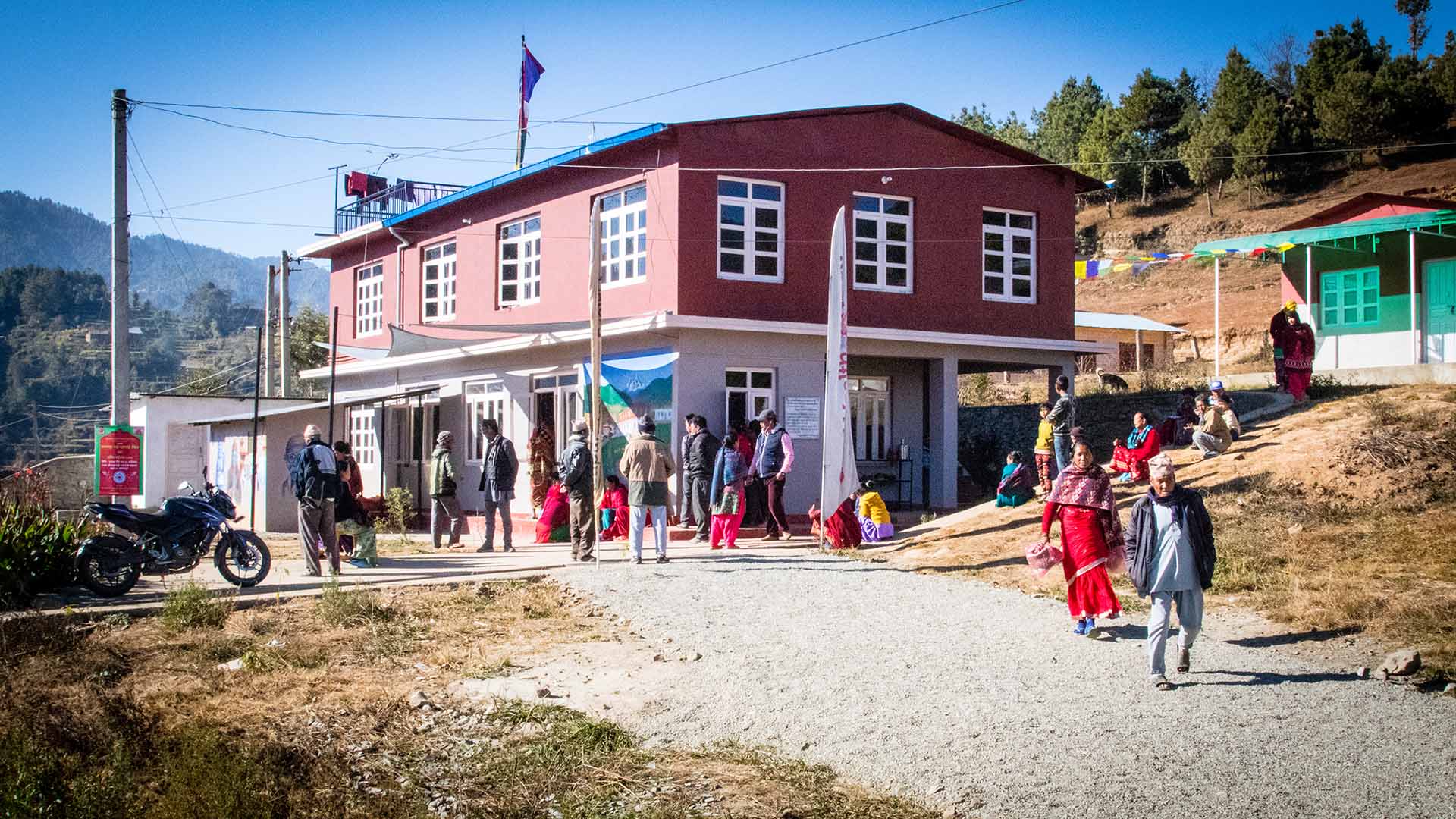
VOLUNTEER COMMUNITY CARE CLINICS IN NEPAL
Nepal remains one of the poorest countries in the world and has been plagued with political unrest and military conflict for the past decade. In 2015, a pair of major earthquakes devastated this small and fragile country.
Since 2008, the Acupuncture Relief Project has provided over 300,000 treatments to patients living in rural villages outside of Kathmandu Nepal. Our efforts include the treatment of patients living without access to modern medical care as well as people suffering from extreme poverty, substance abuse and social disfranchisement.
Common conditions include musculoskeletal pain, digestive pain, hypertension, diabetes, stroke rehabilitation, uterine prolapse, asthma, and recovery from tuberculosis treatment, typhoid fever, and surgery.
FEATURED CASE STUDIES
Rheumatoid Arthritis +
35-year-old female presents with multiple bilateral joint pain beginning 18 months previously and had received a diagnosis of…
Autism Spectrum Disorder +
20-year-old male patient presents with decreased mental capacity, which his mother states has been present since birth. He…
Spinal Trauma Sequelae with Osteoarthritis of Right Knee +
60-year-old female presents with spinal trauma sequela consisting of constant mid- to high grade pain and restricted flexion…
Chronic Vomiting +
80-year-old male presents with vomiting 20 minutes after each meal for 2 years. At the time of initial…
COMPASSION CONNECT : DOCUMENTARY SERIES
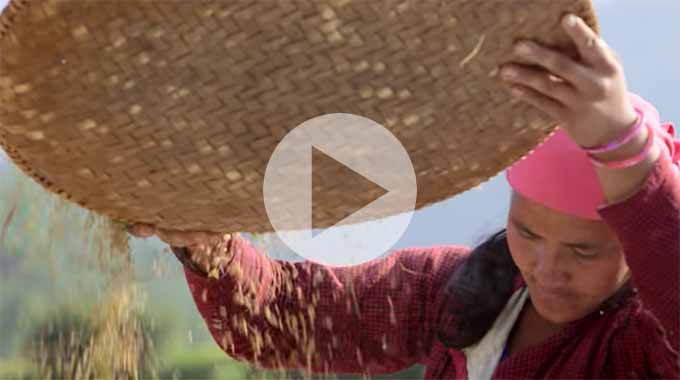
Episode 1
Rural Primary Care
In the aftermath of the 2015 Gorkha Earthquake, this episode explores the challenges of providing basic medical access for people living in rural areas.
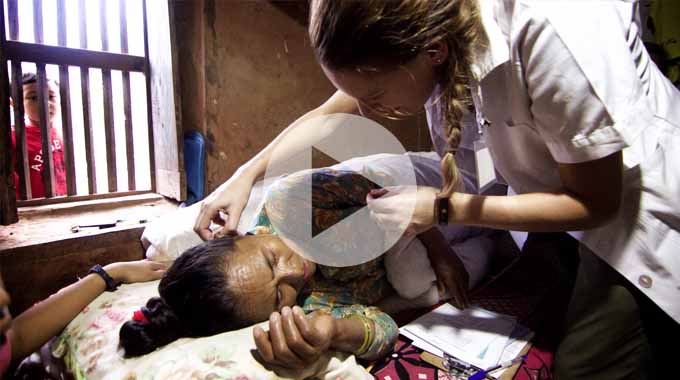
Episode 2
Integrated Medicine
Acupuncture Relief Project tackles complicated medical cases through accurate assessment and the cooperation of both governmental and non-governmental agencies.
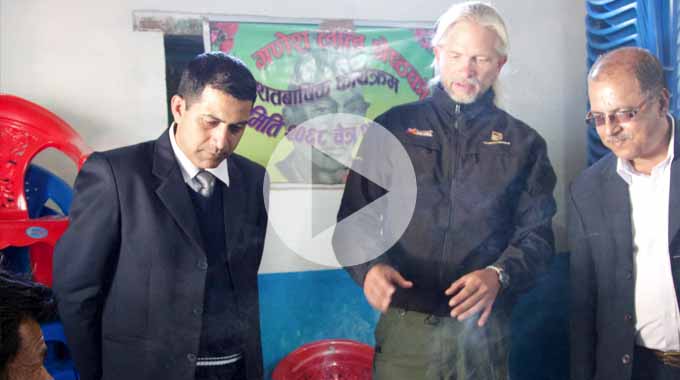
Episode 3
Working With The Government
Cooperation with the local government yields a unique opportunities to establish a new integrated medicine outpost in Bajra Barahi, Makawanpur, Nepal.
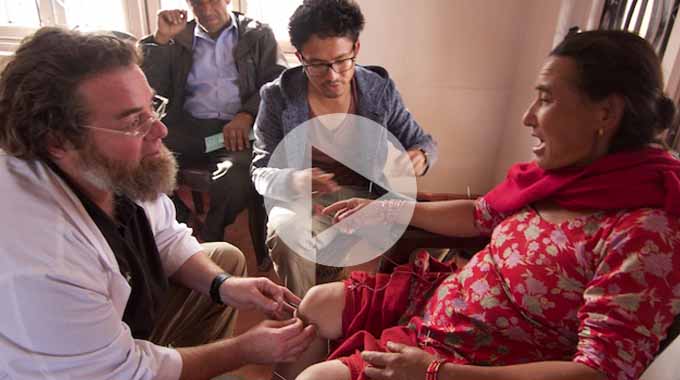
Episode 4
Case Management
Complicated medical cases require extraordinary effort. This episode follows 4-year-old Sushmita in her battle with tuberculosis.
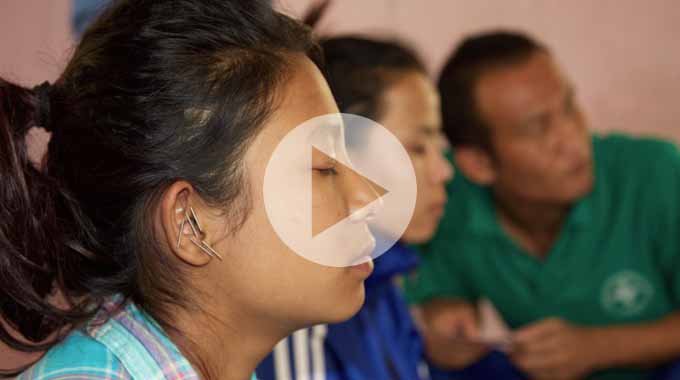
Episode 5
Sober Recovery
Drug and alcohol abuse is a constant issue in both rural and urban areas of Nepal. Local customs and few treatment facilities prove difficult obstacles.
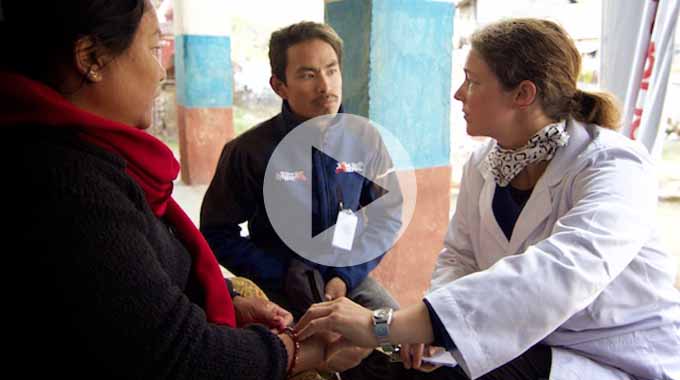
Episode 6
The Interpreters
Interpreters help make a critical connection between patients and practitioners. This episode explores the people that make our medicine possible and what it takes to do the job.
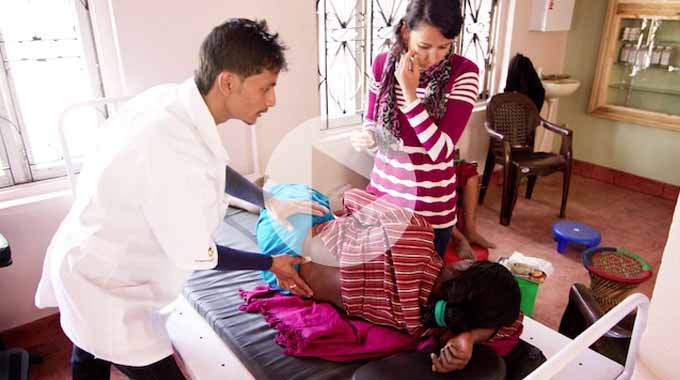
Episode 7
Future Doctors of Nepal
This episode looks at the people and the process of creating a new generation of Nepali rural health providers.
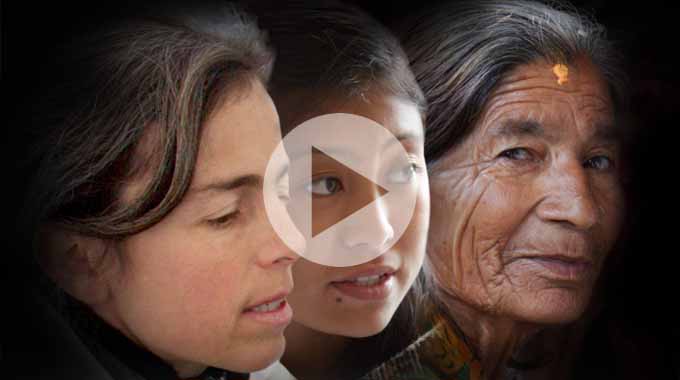
Compassion Connects
2012 Pilot Episode
In this 2011, documentary, Film-maker Tristan Stoch successfully illustrates many of the complexities of providing primary medical care in a third world environment.
From Our Blog
- Details
- By Andrew Schlabach

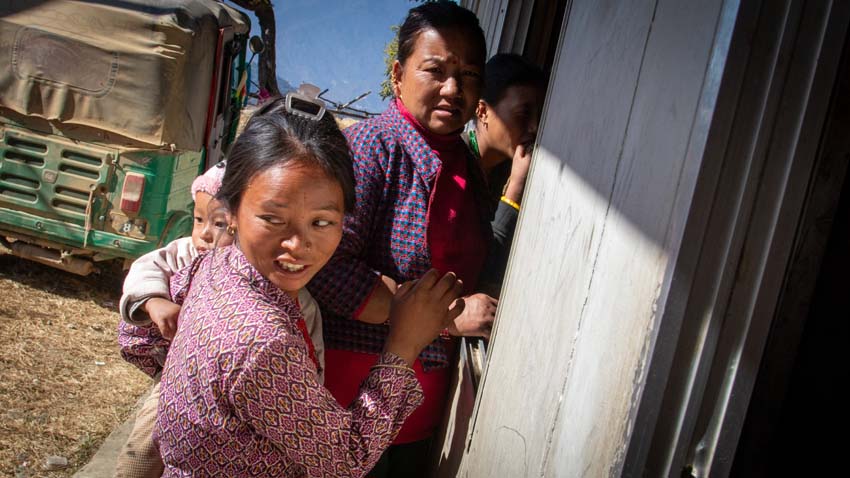
108 butter candle blessing for our Bajrabarahi Clinic's 10th anniversary, Dec 6th 2025.
Writing has always been a useful discipline for me. It serves as a way to order experience, to work methodically through the collage of thoughts, impressions, and moments that accumulate over time. This has been especially true in relation to my work in Nepal. Since beginning this project in 2008—now more than eighteen years ago—I have worked alongside hundreds of volunteers and treated thousands of patients. More importantly, I have had the privilege of helping cultivate a group of deeply committed and capable health workers.
Taken individually, most of these experiences are not particularly remarkable. They are small clinical encounters, ordinary conversations, incremental improvements, and occasional frustrations. Yet when viewed with sufficient distance, they form a complex tapestry, interwoven with different colors and textures that reflect a sustained and collective effort over time. It is only by stepping back that I can appreciate the coherence and quiet beauty of this work, and recognize it as part of what I would describe as an intentionally lived and inspired life.
- Details
- By Bex Groebner

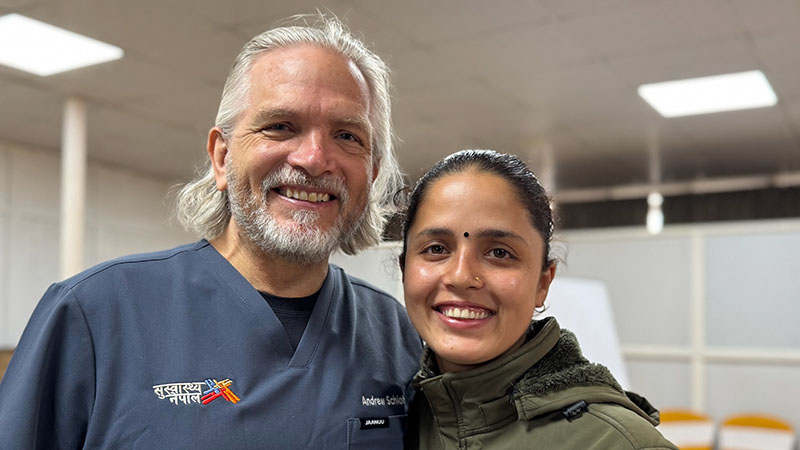
Welcoming Sita Bakhrel to the Good Health Nepal Board of Directors
I first met Sita Bakhrel in 2017 in Bajrabarahi when I was serving as team lead for Acupuncture Relief Project (ARP) outreach camps. ARP President Andrew Schlabach had been there before me, training three interns from the Rural Health Education and Service Center (RHESC) in Kathmandu, and asked me to continue their training once he returned to the U.S. In addition to Sita, we were working with graduates Sarita Khatri and Boorish Janakraj.
Those months were focused on continuing fundamental training that included point location, taking vitals, understanding diagnosis, and learning why screening for noncommunicable diseases (NCDs) is essential in rural primary care.
At that time, I didn’t know that Sita’s relationship with ARP and our sister organization, Good Health Nepal, was going to grow into something so important in shaping the work we do today.
- Details
- By Andrew Schlabach
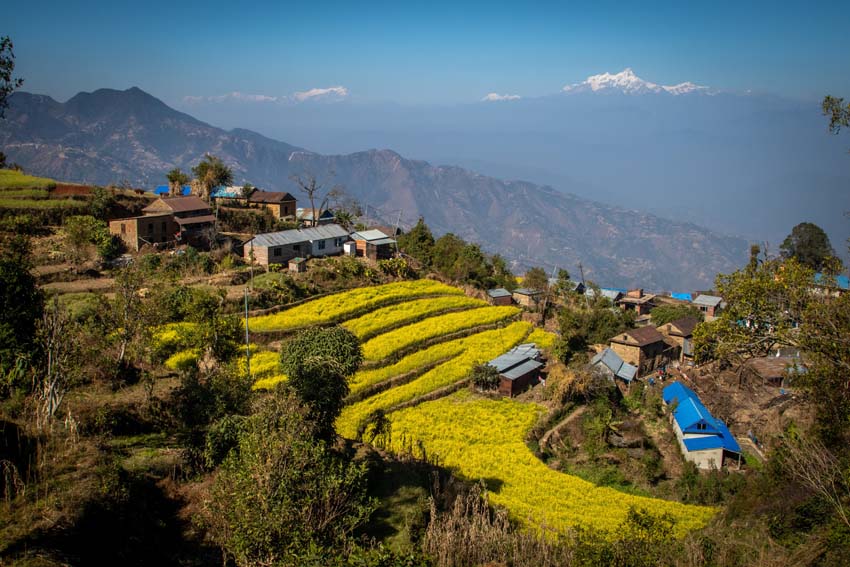
It’s difficult not to look at the mountains. Those majestic, jagged peaks piercing the clear blue horizon tug at my peripheral vision. “Focus!” I say in my head as our group of four small motorbikes meander along the narrow road. The edge drops away and it's not hard to imagine what would happen if you were to drive off. In Nepal, these are considered “the hills” but they would certainly be called mountains in most other countries. The steep hillsides are covered in terraced fields, many of which are chartreuse with the winter crop of mustard in bloom. It is a frosty December morning and my fingers are tingling with the cold as we make our way to our new outreach clinic in Mahankal.
Our Mission
Acupuncture Relief Project, Inc. is a volunteer-based, 501(c)3 non-profit organization (Tax ID: 26-3335265). Our mission is to provide free medical support to those affected by poverty, conflict or disaster while offering an educationally meaningful experience to influence the professional development and personal growth of compassionate medical practitioners.